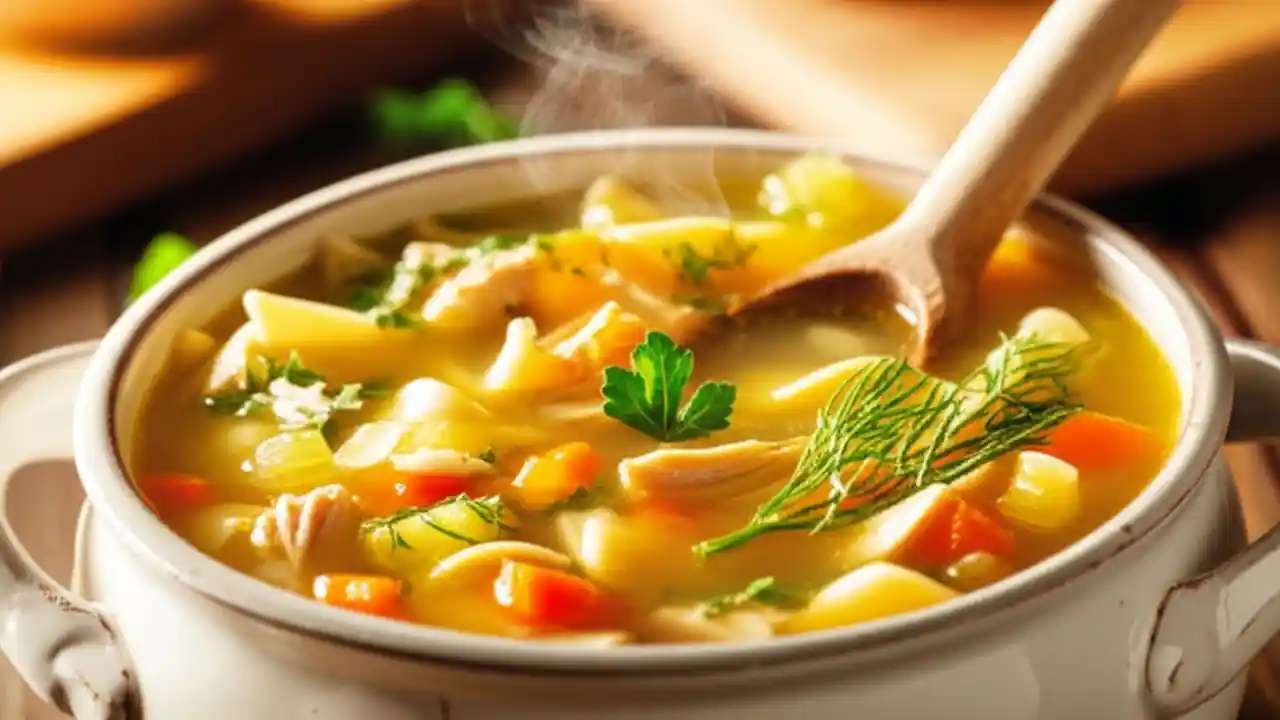
Crafting Golden Broth: The Old-Fashioned Way to Homemade Chicken Noodle Soup
There are few dishes as universally comforting and deeply satisfying as a bowl of homemade
chicken noodle soup. While quick fixes and store-bought options abound, there’s an undeniable magic that happens when you commit to making this classic from scratch, the old-fashioned way. This isn't just a meal; it's a culinary journey that yields a golden, deeply flavored broth, tender chicken, and vibrant vegetables – a testament to the power of time and quality ingredients. Forget the trendy foams and cauliflower crusts; this is about good food, done right, with a depth of flavor that money simply can't buy.
At its heart, true homemade
chicken noodle soup begins with a whole chicken, gently simmered to release its rich essence. This meticulous process transforms simple ingredients into an elixir that not only nourishes the body but also soothes the soul, making it the ultimate remedy for a chilly evening or a nagging cold.
The Heart of the Matter: Why Old-Fashioned Broth Reigns Supreme
The secret to an unparalleled
chicken noodle soup lies in its foundation: the broth. Unlike quick versions that rely on pre-made stocks or bouillon cubes, the old-fashioned method involves simmering an entire chicken with an array of aromatic vegetables and herbs. This lengthy, gentle extraction process is what creates that signature "golden" broth – a liquid gold standard that offers a depth of flavor, body, and nutritional value far superior to anything from a carton.
When you simmer a whole chicken, several magical things happen. The bones and connective tissues slowly release collagen, which breaks down into gelatin. This gelatin is responsible for the luxurious mouthfeel and body of a great broth, giving it that comforting richness that coats the palate. Meanwhile, the meat and fat render, infusing the water with layers of savory, umami goodness. Root vegetables like carrots, celery, and onions, along with garlic, peppercorns, and fresh herbs (think bay leaves, thyme, and parsley stems), contribute their sweet, earthy, and aromatic compounds, building a complex flavor profile that simply can’t be rushed. This careful process transforms plain water into a nutritious, flavorful base that is the soul of your
chicken noodle soup.
More Than Just a Meal: The Therapeutic Power of Chicken Noodle Soup
"Everyone" knows that when you're feeling under the weather, particularly with a nasty cold or the dreaded "man flu," a steaming bowl of
chicken noodle soup is the ultimate cure. While science continues to debate its exact medicinal properties, centuries of anecdotal evidence and common sense affirm its remarkable ability to provide comfort and alleviate symptoms.
Beyond its psychological comfort, there are tangible reasons why this humble soup is such a potent remedy:
*
Hydration Hero: The warm, savory broth, often seasoned with a touch of natural salt, encourages fluid intake, which is crucial for staying hydrated when battling an illness. Proper hydration helps thin mucus and supports overall bodily functions.
*
Clears Passageways: The warmth of the soup and the steam it generates work wonders for congested nasal and throat passages. Inhaling the steam helps to loosen mucus, making it easier to breathe and providing temporary relief from stuffiness and sore throats.
*
Immune-Boosting Nutrients: The classic combination of carrots, celery, onion, and garlic isn't just for flavor. These ingredients are packed with vitamins, minerals, and antioxidants known to support the immune system. Chicken itself provides lean protein, essential for tissue repair and immune cell production.
*
Easy on the Stomach: When you're unwell, your appetite often wanes, and your digestive system can be sensitive.
Chicken noodle soup is light, easy to digest, and requires minimal chewing, making it an ideal choice when solid foods feel too heavy.
It’s this combination of warmth, hydration, nutrition, and sheer deliciousness that makes homemade
chicken noodle soup an unparalleled choice for comfort and recovery. For more on how this classic dish can aid your recovery, check out our article:
Homemade Chicken Noodle Soup: Your Ultimate Cold & Comfort Remedy.
Step-by-Step to Culinary Gold: Crafting Your Masterpiece
While the old-fashioned way may involve a few more steps than opening a can, the reward is an incomparable depth of flavor. This broth truly is something money can't buy.
Choosing Your Bird and Aromatics
Start with a whole chicken, ideally one that’s free-range or organic for the best flavor. For your aromatics, gather large chunks of celery, carrots, a halved onion (skin on for color!), a few smashed garlic cloves, a bay leaf, a few sprigs of fresh thyme, parsley stems, and about a teaspoon of whole black peppercorns. Resist the urge to chop these finely; larger pieces make straining easier.
The Gentle Simmer: Unlocking Flavor
1.
Combine & Cover: Place the whole chicken and all your chosen aromatics into a large stockpot. Cover generously with cold water, ensuring the chicken is fully submerged.
2.
Gentle Heat: Bring the pot to a very gentle simmer over medium-low heat. The key here is *simmering*, not boiling. A rolling boil can make your broth cloudy and extract bitterness from the bones.
3.
Skim the Scum: As the water heats, proteins will coagulate and rise to the surface as "scum." Gently skim this off with a ladle or fine-mesh sieve once or twice during the first hour. This step contributes to a clearer, cleaner-tasting broth.
4.
Long Simmer: Allow the chicken and aromatics to simmer gently for 1.5 to 2 hours, or until the chicken meat is exceptionally tender and practically falling off the bone.
5.
Remove & Strain: Carefully remove the chicken from the pot and set it aside to cool. Strain the broth through a fine-mesh sieve (or even a cheesecloth-lined sieve for extra clarity) into a clean pot or heat-proof container, discarding the spent vegetables and herbs.
Transforming Broth to Soup: The Flavor Layering
1.
Shred the Chicken: Once cool enough to handle, shred the chicken meat from the bones. You’ll likely only need about a third to half of the chicken for this soup; save the rest for salads, sandwiches, or another quick meal.
2.
Sauté the Fresh Vegetables: In the same (cleaned) stockpot, add a tablespoon or two of olive oil or butter. Slowly sauté fresh, finely diced onion, carrots, and celery over low heat. The slower you cook them, the sweeter and more intense their flavors will become through gentle caramelization. This might take 10-15 minutes. Add minced garlic in the last minute of sautéing to prevent burning.
3.
Combine and Simmer: Pour your glorious homemade broth into the pot with the sautéed vegetables. Bring to a gentle simmer.
4.
Add Noodles: Add your preferred noodles or pasta. Short, twisted egg noodles are a classic choice, but orzo, ditalini, or even broken spaghetti work beautifully. Cook until the noodles are almost al dente.
5.
Reincorporate Chicken: Stir in the shredded chicken meat just to heat through. Cooking it too long at this stage can make it dry.
6.
Season and Serve: Taste and adjust seasonings with salt and freshly ground black pepper. A splash of fresh lemon juice or a handful of chopped fresh parsley or dill right before serving can brighten the flavors beautifully.
Beyond the Basics: Tips for Perfection and Variations
Achieving the perfect bowl of
chicken noodle soup is an art, but these tips can elevate your creation:
*
Clarifying Your Broth: For an even clearer broth, refrigerate it overnight after straining. The fat will rise and solidify on the surface, making it easy to scoop off. This not only makes for a lighter, healthier soup but also enhances its visual appeal.
*
Noodle Strategy: If you anticipate leftovers, consider cooking your noodles separately and adding them to individual bowls just before serving. This prevents them from absorbing too much broth and becoming mushy.
*
Vegetable Variety: Feel free to experiment with other vegetables. Peas, corn, spinach, or kale can be added towards the end of cooking for extra color and nutrition.
*
Spice It Up: A pinch of red pepper flakes can add a subtle warmth, while a bay leaf during the initial simmer will deepen the savory notes.
*
Freezing for Future Comfort: Homemade broth freezes beautifully for up to 3-4 months. Freeze it in smaller portions so you always have a head start on your next batch of soup or other recipes requiring stock.
While this old-fashioned approach celebrates tradition and patience, sometimes life calls for a quicker path to comfort. If you're short on time but still crave homemade goodness, you might find inspiration in
Skip Store-Bought: Fast & Flavorful Homemade Chicken Noodle Soup, which explores methods to achieve delicious results in less time.
There’s an unparalleled satisfaction that comes from creating something truly delicious from scratch. Making
chicken noodle soup the old-fashioned way isn't just about cooking; it's about nurturing, about tradition, and about savoring the simple, profound pleasures of good food. The golden broth, the tender chicken, and the comforting noodles come together in a symphony of flavors that will warm you from the inside out. Embrace the process, and you’ll discover why this classic dish remains a beloved staple in homes around the world.